My kid is on his way to university this year, and it’s hard not to get swept into doomscrolling opinion pieces. AI is going to take over everything and there will be no entry level jobs left. Did I do the wrong thing by encouraging my child’s interest in knowledge work? Should I have nudged him into a trade? There are, as usual, no maps for this territory, and the territory itself seems to come from another planet.
But then I heard Mexican philosopher Carissa Véliz speak and the picture came into clearer focus. Author of Prophecy: Prediction, Power, and the Fight for the Future, from Ancient Oracles to AI, the Oxford prof reminded me of one key fact: the future doesn’t exist yet, and there are no facts about what does not exist. If someone is telling you that their vision of the future is inevitable, they are trying to shut down conversation. They are trying to control you, and they’re most likely making money off it.
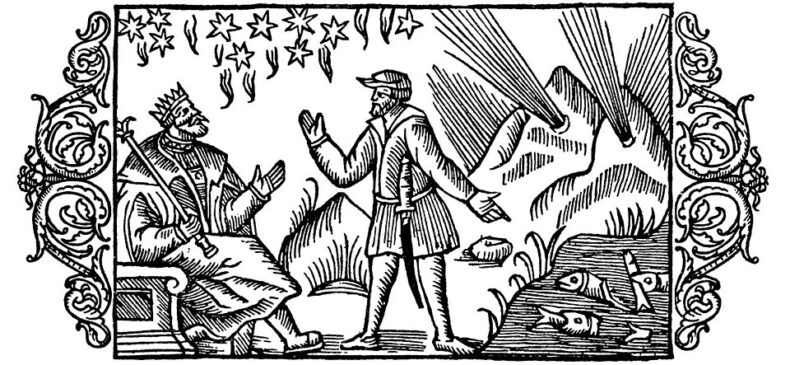
Predictions are often power moves, according to Véliz. If you actually knew the future, it would give you vast power, which is why the kings of old invariably had an astrologer or diviner on hand to advise them of how to conduct their battles or tell them who was plotting against the crown. It’s no different now.
What do I do when I believe someone’s prediction that anyone without AI will be left in the dirt, scrounging for universal basic income handouts if we’re lucky? I go out and buy AI subscriptions and courses. I cancel my plans to write a book, since can’t the readers just get more tailored AI answers on the topic now? I resist buying software because I know I’m supposed to be vibe coding it instead, even though I will likely never get into vibe coding, I just don’t want to be the only sucker paying for software.
In other words, I act in exactly the same way as I would if I were simply obeying orders from the prophets of Silicon Valley. All because I believe their spiel uncritically.
But look how the Iran War is going. How many scenarios had I read beforehand about how just such a war would play out? None of them looked remotely like this. The future, especially the complex future of the global economy and geopolitics, is almost totally unknowable.
I’m in the business of prediction, too. That’s what investors do—they make high confidence bets on the future path of businesses. And guess how much time we investors spend with egg on our faces because things went exactly opposite to our predictions? All of it. All of the time that exists, we are looking at you through a three-cheese omelet dripping off our foreheads.
So no, nobody knows what’s going to happen here. There’s a good chance they don’t even directionally know the flavour of it. The important thing is that you and I just write our own futures in a way that’s true to ourselves, refusing to be captive to the forecasters. The future is, and always has been, something for all of us to figure out.
Image: Woodcut from On the Art of Prophecy (1555)


Thank you.