I’m not actually much of a doomscroller, but my default choice when I want a moment of distraction is to hop over to Facebook, Instagram, or the Washington Post. And, lately, hopping over to Facebook, Instagram, or the Washington Post brings not fun distraction or even interesting diversion. Instead, it does nothing but give me new things to worry about. I have worries on so many fronts that they’re already quite hard to deal with.
So here’s what I’m trying to replace those with: Wikipedia rabbit holes.
I started the other day when I was feeling – oh, who even knows. Feeling something. And I thought, let’s try Wikipedia. It has things I can read, none of which will be formatted as a meme designed to cause me outrage, and they will likely not fill me with immediate current-events-based angst.
Not to say that a wander through Wikipedia is necessarily fun.
One day last week I started with the featured article on Wikipedia’s English homepage, which was about a mass methanol poisoning event in 2016 in the Russian city of Irkutsk. More than 70 people died. They thought they were buying a safe, cheap alternative to vodka, which had gotten prohibitively expensive. I learned about Russia’s alcohol policy in the mid-2010s. Russians drink a lot of alcohol, and it needs to be both safe and cheap.
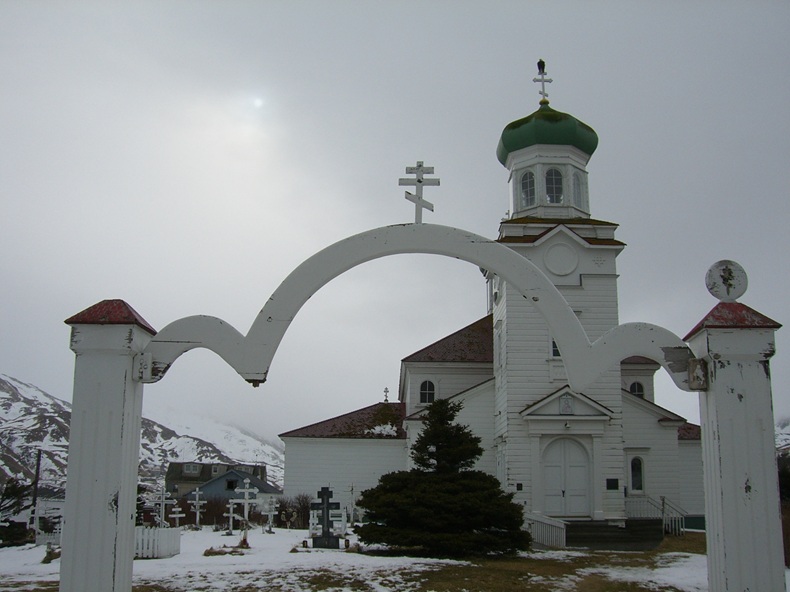
Irkutsk, I learned, is in Siberia, not far from Mongolia, and from Lake Baikal. And, I realized, it’s the hometown of a Russian Orthodox missionary priest who is now known as Innocent of Alaska. He arrived with his family in Unalaska, in the Aleutian Islands, in 1924. He built a Russian orthodox church there, the second on that site. It has been replaced various times in the 200 years since; I saw the current one (built late in the 19th century) in 2009.
So what did this cruise through Wikipedia do? It showed me the importance of a government that functions well and regulates the things that you ingest. It reminded me that this world is full of cities – big cities! with hundreds of thousands of people! – that I can’t place on a map. It reminded me of a once-in-a-lifetime trip. And it reminded me that histories are long and things change.
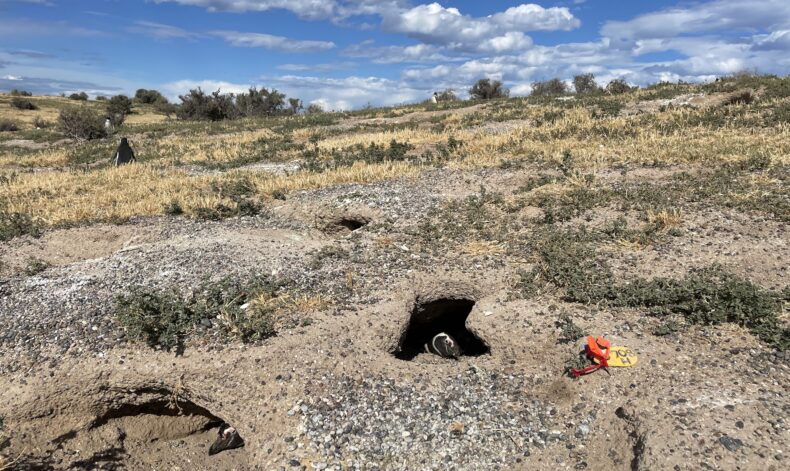
Photo: Helen Fields, obviously