Dear Jennifer,
Thank you for your interest in working as a writer/editor for our esteemed organization. While your credentials and experience appear to be adequate, we have received a record number of applicants and have decided to move forward with another candidate who is clearly much better and definitely much hotter than you. Even though you are really old, we will keep your resume on file for future opportunities.
–Hiring Manager, Esteemed Organization That Doesn’t Want You, You Loser
What does rejection do to the human brain? How about repeated rejections? Let’s say, four? Or 12? How about 29? It does something, I’ll bet.
As one of thousands recently torn from their jobs and tossed into a pit of talent, where truly good, skilled people are trying to claw their way back to employment without elbowing colleagues in the eye, I looked it up.
It’s a form of social rejection, this “thanks but no thanks” letter many of us keep receiving from potential employers. Evolution tells us to care about it: Social acceptance, in this case being told you are “good enough” (and better than the rest, in fact) to join a particular team, represents safety and access to resources. It makes sense that it would matter.
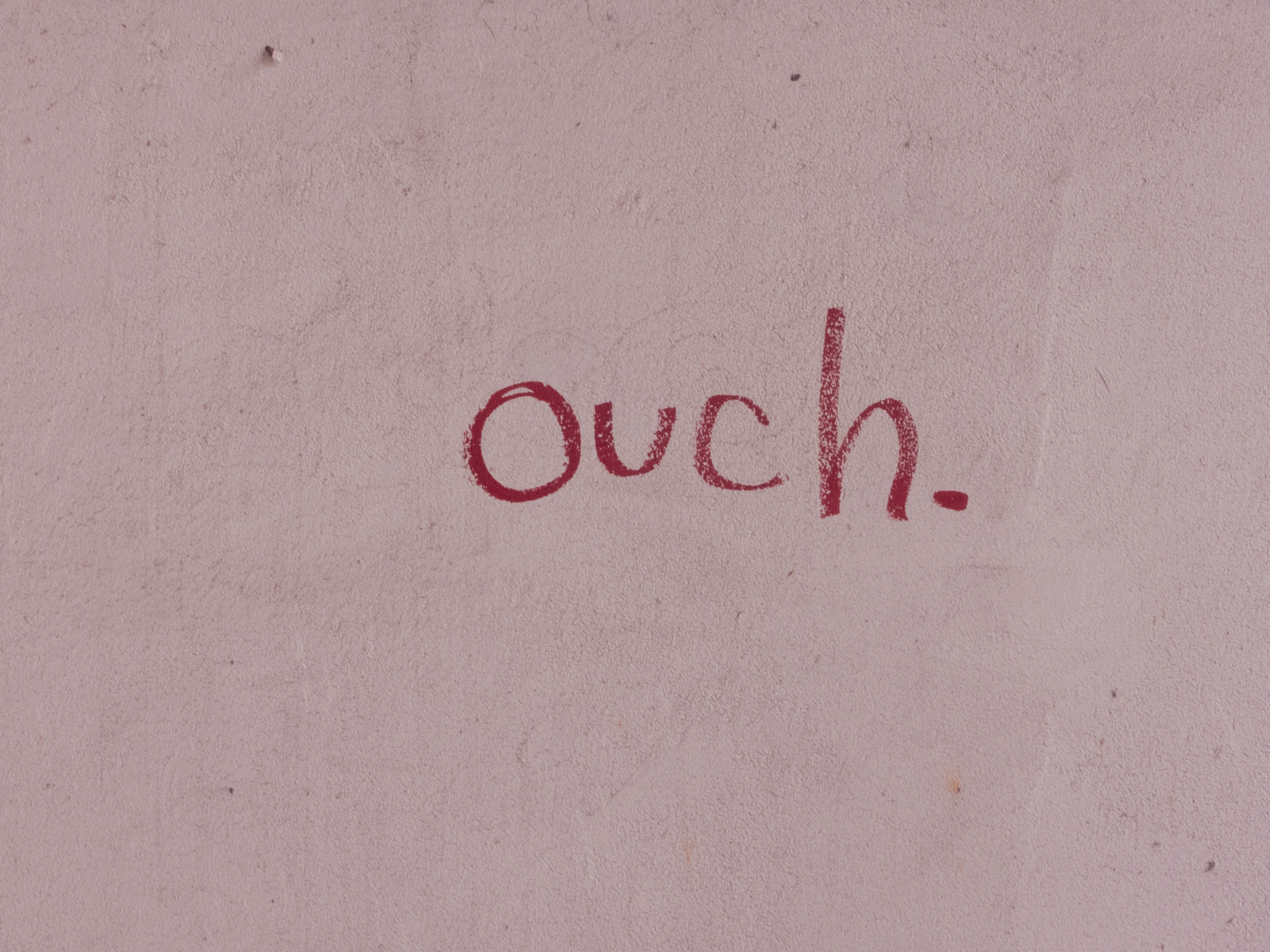
Apparently, there are “positive” aspects to rejection—it can motivate you to try harder, to reframe your thinking, to set aside your ego, to learn to be patient, yadda yadda. Sort of obvious things that are a little hard to take seriously right now. But make no mistake, social pain is real pain; scientists suggest the brain systems that underlie that ache of rejection likely co-opted the brain circuits supporting physical hurting. That means the two kinds of pain share activity in our somatosensory systems, and that intense social pain (e.g., the deep ache after a romantic breakup plus the crush of spying your ex on a hot date) may glom onto sensory-pain processing regions. It’s messy, this pain thing, and there’s a lot of crosstalk between ache and heartache, between “ouch” and “daaaaaaamn.”
Social pain reaches deep within us in other ways. A relatively new field called social genomics reminds us that the genome isn’t a fixed blueprint but a dynamic system that reacts to human experience. It’s known that negative social interactions can and do affect our health, not just the mental but the physical; more recently, scientists have discovered how our experiences as social beings can even meddle with our gene expression, by way of a host of biological and molecular mechanisms. The brain, the body, the genome…it’s a partnership for better or worse.
If you get rejected enough times, though, I’ve found you start to care less and the physical yearning for acceptance dulls a bit. Especially when you know you’re in good company, which I certainly am in this case, you learn to take the blame off your own shoulders. I like to think this shirking of responsibility gives our fragile egos a fighting chance for a comeback. And more important, that it keeps the message “I’m not good enough” from chipping away at our health and telling our genes what to do.
Photo by Nick Fewings on Unsplash

When I was job hunting, I set a goal that every day I had to send out more inquiries than I received rejections. That took some of the sting out of it by turning it into a challenge. Stick to it — it took me months and 78 inquiries, but I found the right job and had a happy career. Wishing you the same!