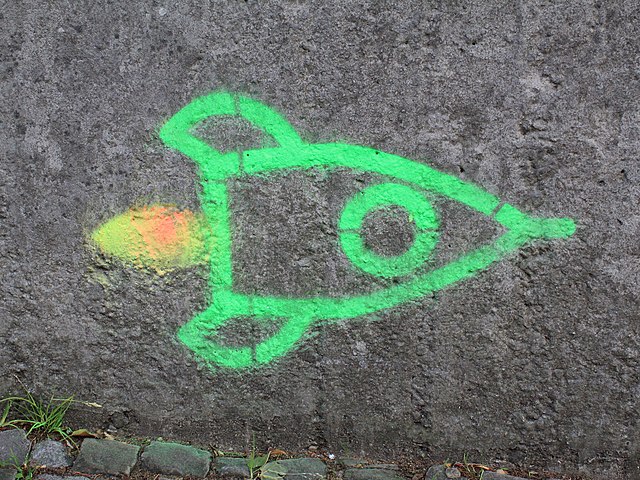
Rockets used to be fun. There was a time when, if we heard there was going to be a launch at Vandenberg Space Force Base—about 50 miles away—we’d head outside with binoculars and cheer when the rocket crossed the sky overhead.
Last year, there were 51 launches. During most of them, we were shaking our fists at the sky instead.
When I told one of my kids that I was going to write about rockets, he said I should call it, “Residents disturbed by extremely loud noises.” One night the sonic boom that hit at dinner sounded like the rocket had fallen on our roof. (I might have jumped out of my chair.) Another time, before dawn, the boom shook a window shade off our bedroom window. I’m not sure if I woke up before or after it crashed to the floor.
A passing rocket can feel like an earthquake, or like a semi is about to crash through the front door. (We’re feeling thankful that our extremely anxious old dog is no longer here to suffer through it.) People across the region have been starting to pay very close attention to the launch schedule, planning to be home with pets, or to avoid being surprised themselves.
A recent video showed a few dozen harbor seals hauled out on a nearby beach—when the boom happened, the seals startled and scrambled back into the water. During an April 2, 2023 launch, harbor seals near the base flushed into the ocean. Observers noticed several dead pups on the beach following the launch, according to a report by the California Coastal Commission; the report noted these deaths could have been caused by injuries during the mass exodus, although they were not investigated more closely.
Research on the rockets’ effect on threatened and endangered species like snowy plovers and red-legged frogs started in 2024. At the same time, the Air Force is proposing to increase the number of Falcon launches to 100 each year. According to the LA Times, most of the recent launches have been for Starlink satellites and other private payloads.
This won’t seem related, but another of my favorite things used to be when my elementary school tied love notes to the strings of helium balloons and released them each spring. (It was a Catholic school, and the balloons were in celebration of Feast of the Ascension, which takes place 40 days after Easter. and celebrates when Jesus was said to ascend into heaven.) Watching hundreds of balloons fly into the air, imagining them setting off to make other people happy—while the Ascension itself was confusing, the beauty and hope in that moment were easy to believe in.
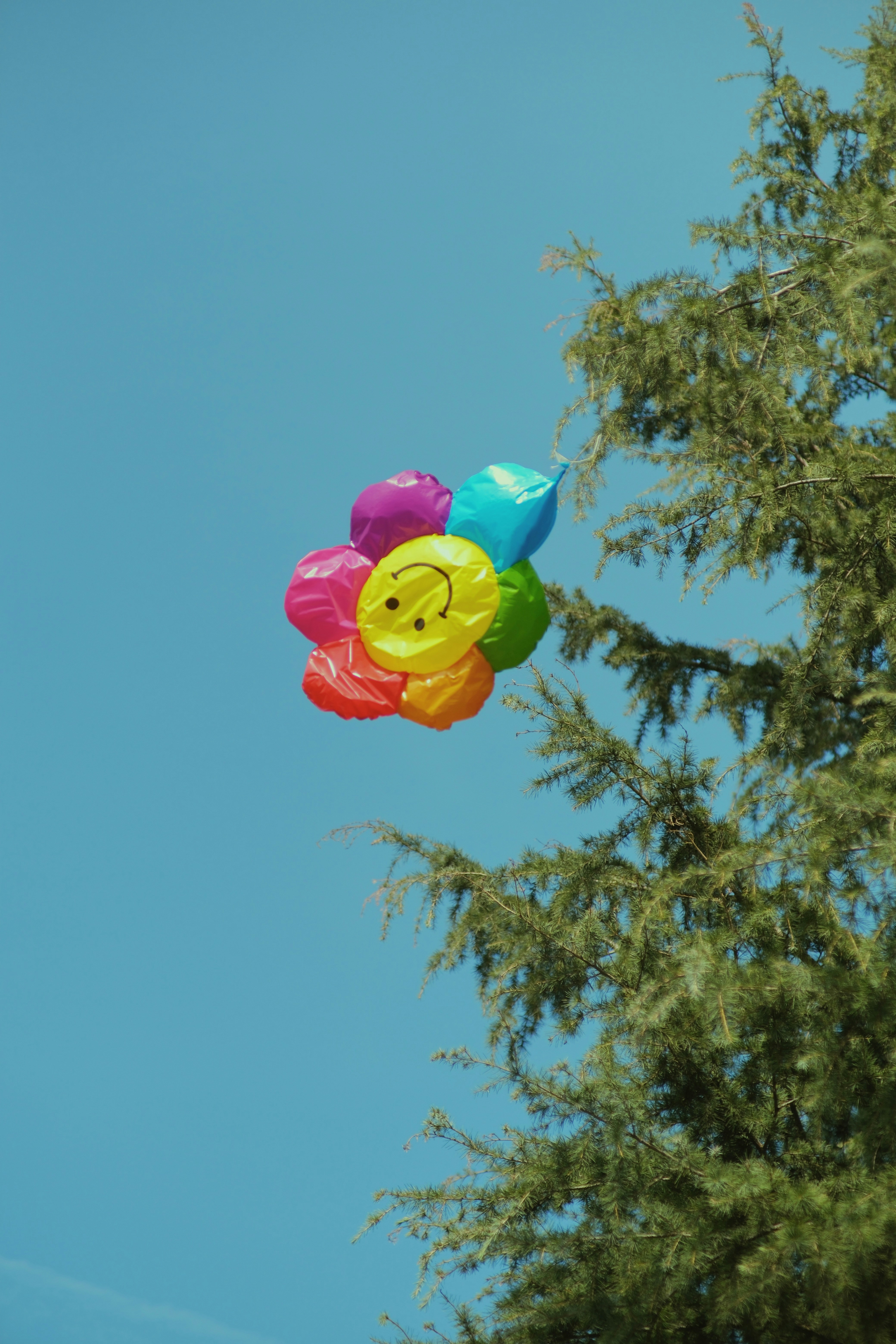
Now we know that balloons like these end up in the ocean as part of the plastic stream that’s choking out marine life. Many places have enacted bans on releases. It’s rare that I see an escaped one rising into the clouds, and when I do, my body feels like it’s not sure what to do. How can my lungs feel like they’re deflating at the same time my heart wants to soar?
That’s what I want to feel when I see a rocket, the heart-soaring. And sometimes I still do. This spring, I was camping at the state beach with a group of kids during a twilight launch. We were sitting around the campfire, singing and telling stories, and then someone noticed the contrail. In the darkening sky, the path the rocket took was marked in glowing white. We stood there watching it cross overhead, seeing small burst of light as the booster and fairing halves dropped away.
Later, I learned that the rocket was carrying a space telescope that will create 3D maps of more than 450 million galaxies. With it, we might be able to learn more about what happened right after the Big Bang.
Sending up a rocket, sending up a balloon, even looking upward–it all feels like an impulse of hope. How do we keep that hope aloft, while still caring for the world where that hope was created? No answers, just questions—and a few songs.
*
Rocket: Marseille77 via Wikimedia Commons
Sad Balloon: Photo by Jimmy Chang on Unsplash

